
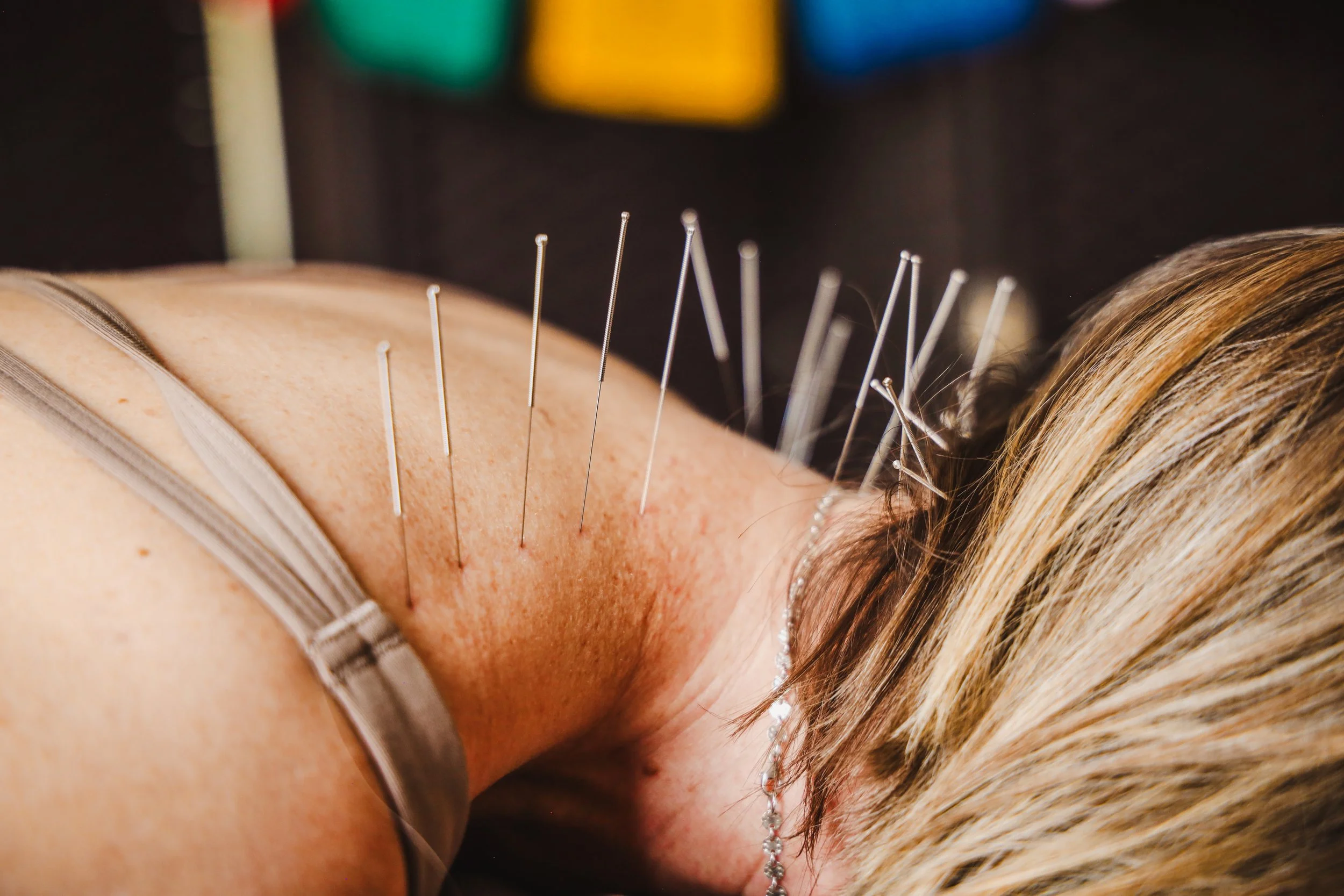
What is Dry Needling?
Dry needling is a skilled therapeutic technique, administered by a certified healthcare provider, to reduce musculoskeletal pain and improve soft tissue restrictions. It is commonly mistaken with Acupuncture. While both modalities use the same tools, the philosophies of treatment are different. Acupuncture focuses on treating the energy fields of the body, while Dry Needling focuses on musculoskeletal dysfunction and pain.What is the goal of treating with Dry Needling?
The goal of dry needling is to restore normal tissue function by reducing tension, improving blood flow, improving tissue mobility, and decreasing pain. Dry needling also stimulates your body's natural healing system through minor tissue irritation, caused by the needle application to the affected tissue.What conditions respond well to Dry Needling?
Dry needling is an ideal option for any severity of myofascial pain and soft tissue dysfunction. Conditions that commonly respond well to dry needling areMuscle tension & trigger pointsCervicogenic headaches/migraines (headaches caused by cervical muscle tension)Jaw tension (TMJ tension)Acute injuriesAcute/chronic pain
What should I expect during Dry Needling treatment?
Your clinician will first palpate the affected area to determine which local spots are proving to be more taut, sensitive, and restrictive in movement. During treatment, small needles are placed into those areas. Treatment typically elicits sensations of soreness and achiness. Despite the sensations you may feel, all are independent of the effectiveness of treatment. Muscle twitches are not necessary for successful treatment.What should I expect after Dry Needling treatment?
The most common post-treatment sensation is soreness. Other sensations are more subjective, like fatigue and reduction of pain. Hydrate well and continue moving, as they will assist in reducing soreness and restoring tissue function. If possible, avoid taking anti-inflammatory medication during your treatment timeline, as it may partially impede progress.What is the typical treatment frequency to optimize results?
Typically, optimal outcomes occur from 1–2 sessions per week for 3-4 weeks, depending on the condition and severity. As symptoms improve, treatments can be spaced out.What does Dry Needling feel like?
This is a very subjective experience. Much of it will depend on how affected the tissue is, your innate sensitivity and response to pain, and potential psychosomatic relations to the site. Common sensations aremuscle twitchdiscomfortpressuremuscle tension releasingsoreness
What equipment is used during Dry Needling?
Sterile, thin filament needles varied by gauge and length, medical-grade gloves, and supplies to endorse a clean treatment environment.